Satlink failure

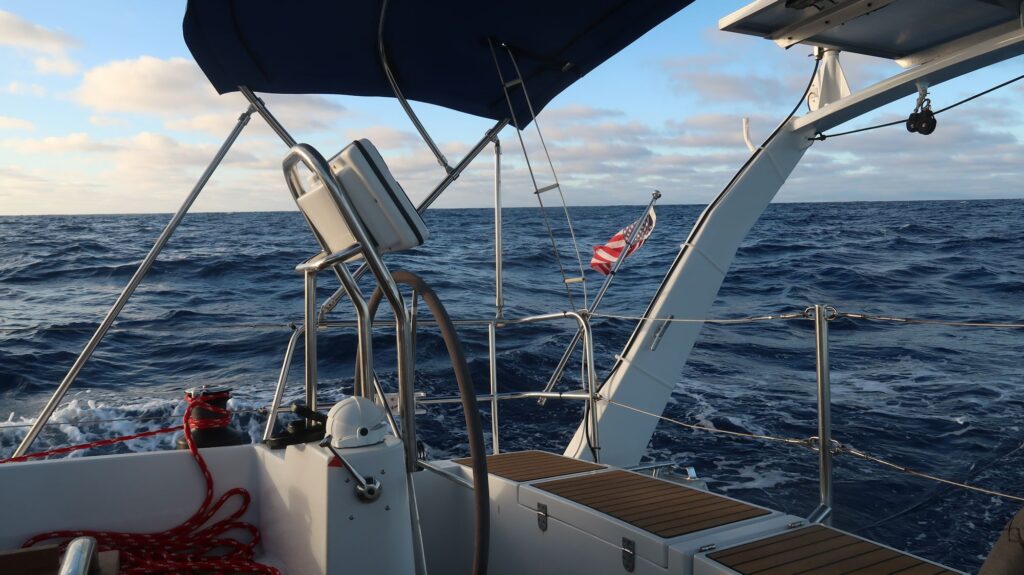
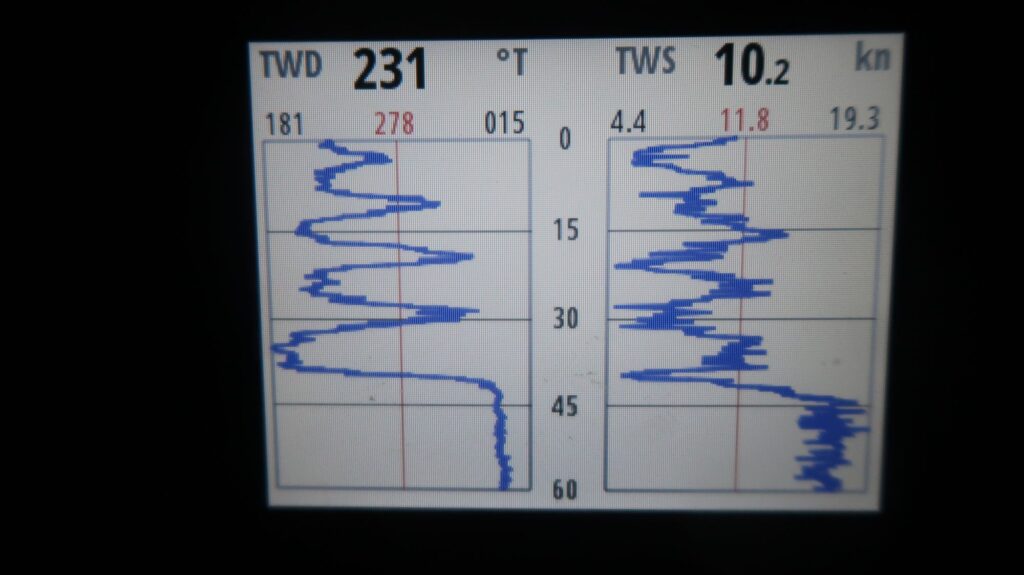
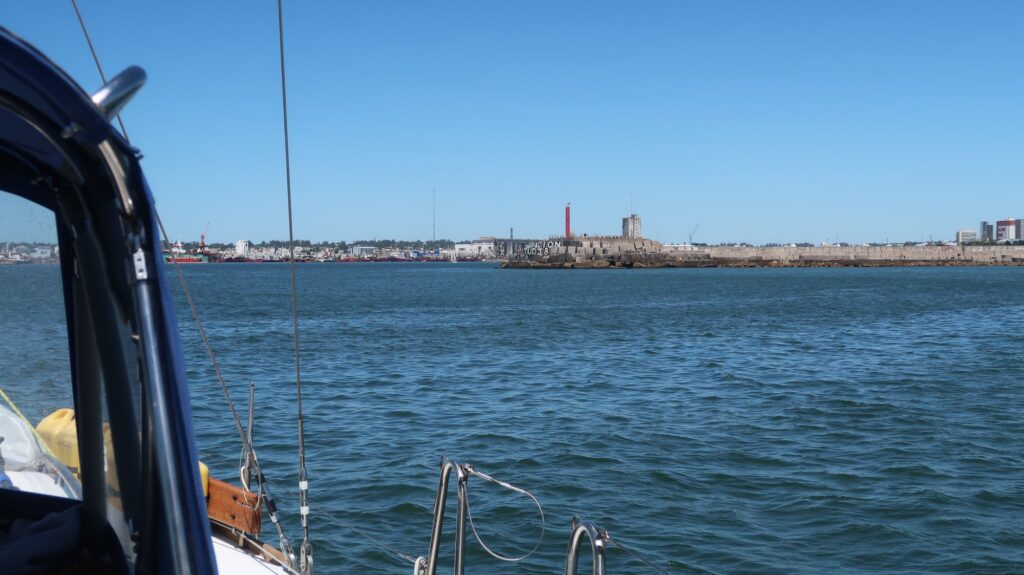
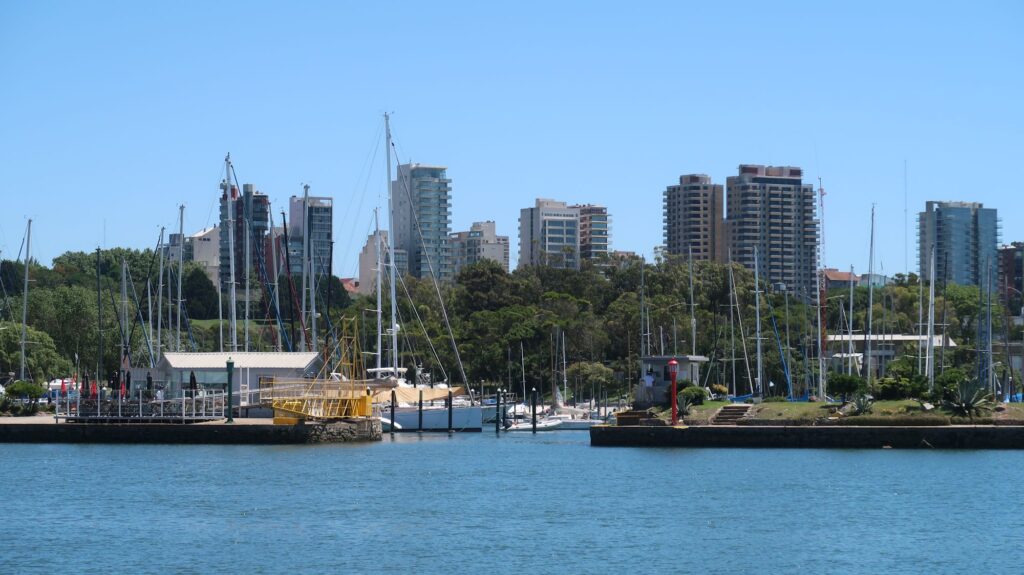
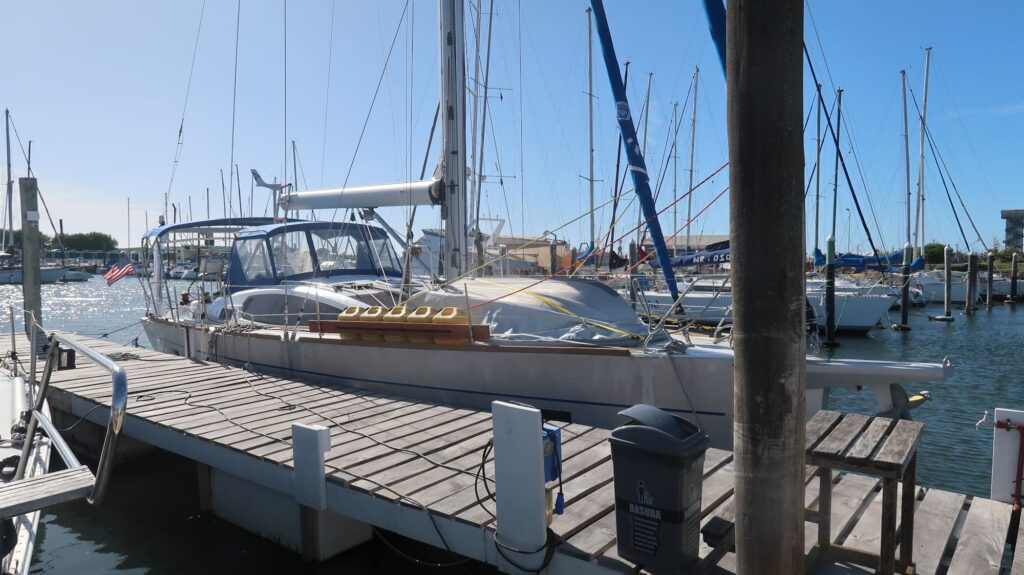
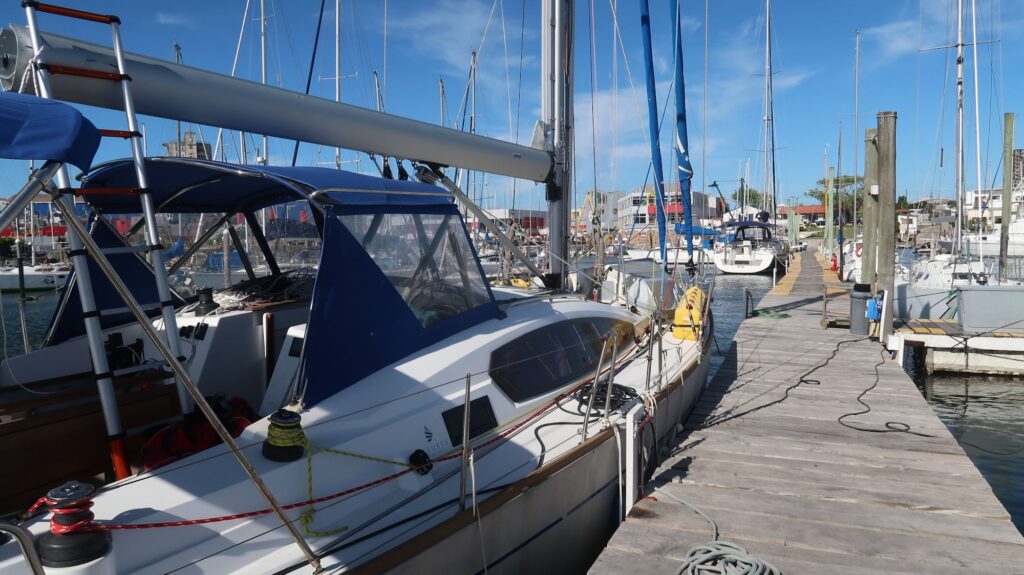
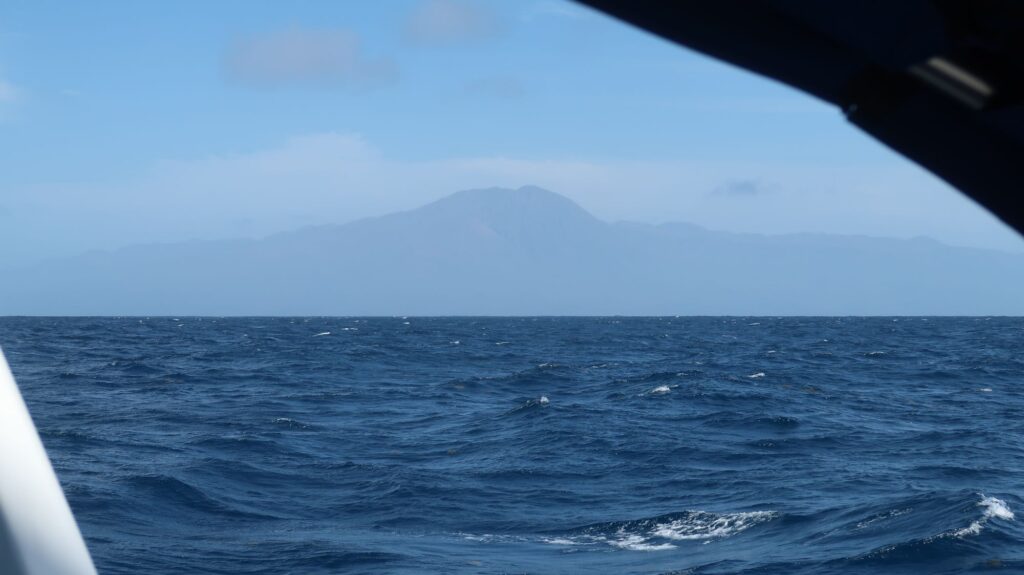
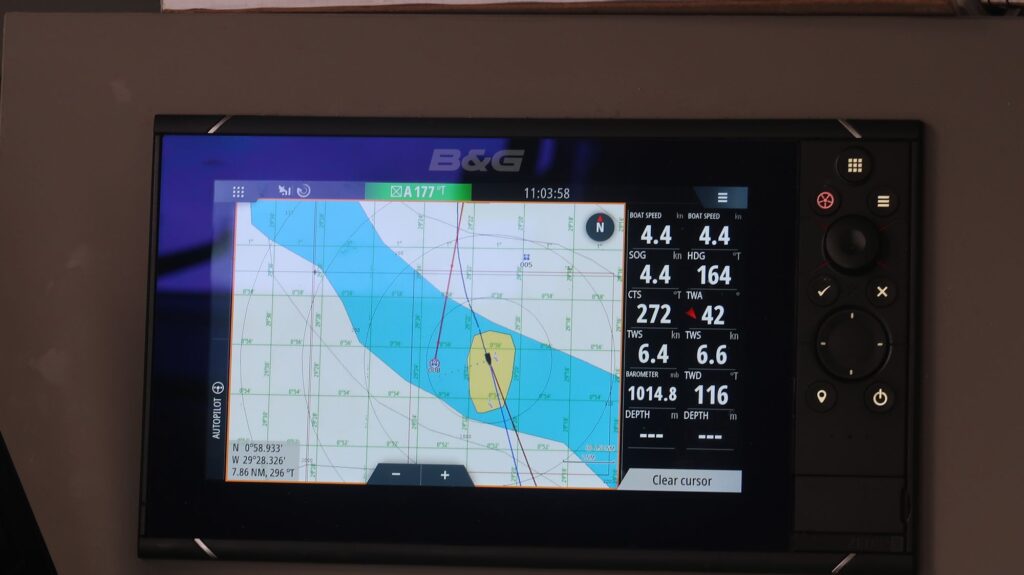
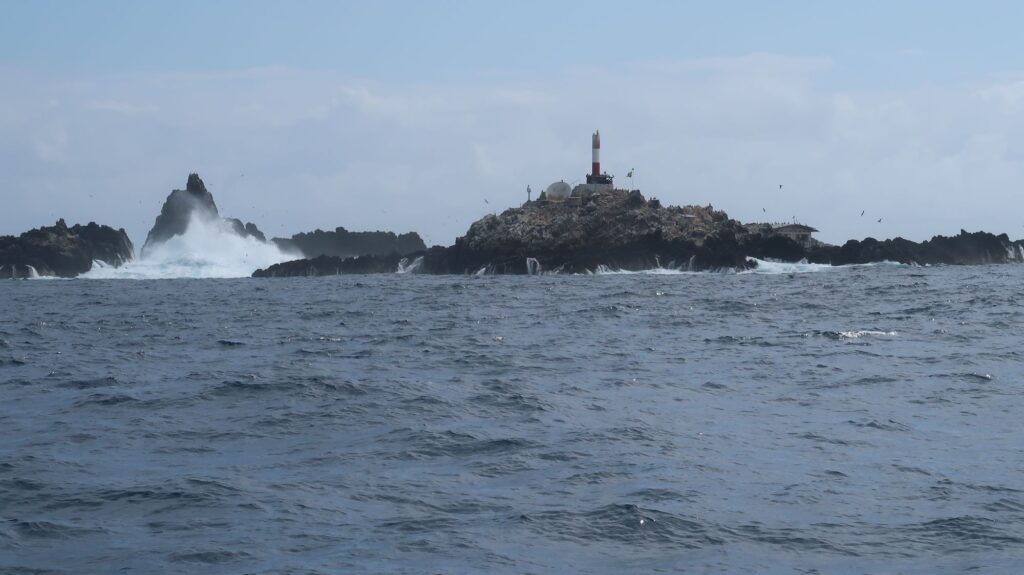
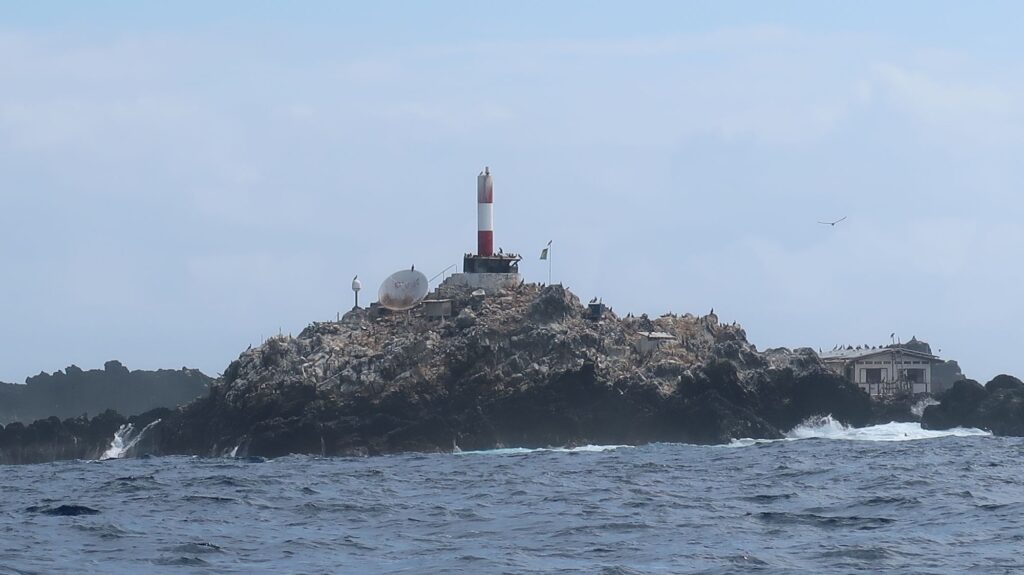
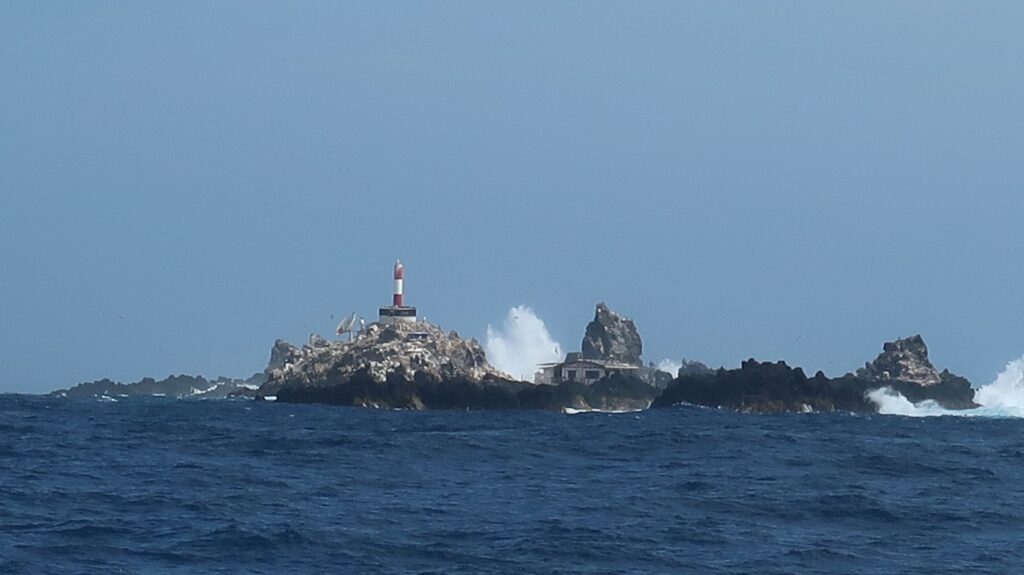
My Iridium GO unit, which normally supplies my current position to the Predictwind tracking map as well as my email service and weather forecast downloads, failed on Sunday night. I’ve just come within cellphone range of Lanzarote Island in the Canary Islands so I can get this message out. I’ll be in the Rubicon marina on the south end of Lanzarote for several days while I try to get a replacement Iridium GO (and a spare). No fun not having wx forecasts, don’t know what I’m sailing into.
Sent from mobile

Switzerland

After months at sea level preparing my boat and sailing across the Atlantic it seemed like a visit to a mountainous country like Switzerland would be the perfect counterpoint. 

There is a group of pilots who have flown small planes around the world known as Earthrounders (www.earthrounders.com).  Formed to 2000, the associated website is fundamentally a registry of such pilots who have chosen to notify Earthrounders of their accomplishment.  Every two years Earthrounders have reunions which thus far have occurred on all continents except Antarctica.  The most recent reunion was scheduled for September, 2020, but the pandemic caused it to be postponed twice.  If finally took place this year in Chateau d’Oex, Switzerland. Unfortunately, the dates conflicted with my sailing schedule so I couldn’t attend.  Instead there was a “pre-earthrounders” get-together at the chalet of Flemming and Angela Pedersen on the mountainside above the Swiss village of Champery. In addition to Flemming and Angela, the group included Thom Kane and Veronica Baird (also sailors), Patrick Elliot and Linda Walker, and Claude Meunier, the founder of Earthrounders. 

Although the weather in Switzerland was cool and rainy, for me it was a welcome break from the heat and humidity I had been living with since picking up my boat Phywave in Baltimore on June 1.

Lagos and the Algarve

I spent three fairly indolent weeks in Lagos, relaxing, eating too much, and listening to street music. The first week was mainly occupied with boat maintenance items – an engine oil change done by Sopromar Marine Services adjacent to the marina and buying a few items in their well-stocked chandlery I decided I needed after a month at sea crossing the Atlantic from the US.

I rented a car for a day and drove a loop through the Agarve.  The first stop was Ponta de Sagres, sometimes called the “End of the World” because it’s the most southwestern point in Europe.  Nearby is Cabo de Sao Vincente, the first Portugal landfall I saw as it emerged through the fog as I arrived from the Azores. From there I drove north to Aljezur, then east on winding roads through the mountains toward Monchique, then south to the vineyard country around Estomar.  I stopped at Quinta dos Vales winery, one of the largest and most well-known wineries in the Algarve to taste some of their reds.  The vines were incredibly dried out; I’ve never seen anything like it in the many vineyards I’ve visited over the years.  This winery is curious in that the grounds are populated with a wide array of odd, mostly fat, statues of animals, and a few abstracts. From Estomar I drove back west along highway N125 to Lagos.

If you’re in Lagos it’s easy to take a boat excursion by one of the many tour companies operating out of the marina to see the many waterfront caves that are found along this part of the Algarve coast.  There are hundreds of such caves, perhaps the most famous being Benagil cave with its interior beach and a hole to the sky. Of course, everyone wants to see these caves so crowds of tourists in boats are inescapable.

Toward the end of my stay in Lagos I made a 5 day side trip to Switzerland to visit pilot friends who have also flown small planes around the world (Earthrounders).  I’ll make a separate blog post about that trip.

My next stop is Tangiers since the marina at Rabat, actually a more favorable stop in Africa, never responded to my emails inquiring about berth space. Gale force easterly winds routinely blow through the Straits of Gibraltar so it will take some weather planning finesse to get into Tangiers without driving straight into such winds.

Horta to Lagos, Part 2

I woke up to rain and cool temps this morning after arriving in Lagos, Portugal, Europe, yesterday, September 11, the first continent I planned to visit.  The last few days of the passage here were not satisfying, mostly with light and variable winds not suitable for sailing so a lot of motoring was needed.  Occasionally the wind would kick up to 9 or 10 kts, from a useful direction, so I’d set the sails and enjoy sailing for a while but after a few hours the wind would die again and the sails would come down rather than having them flog around in the gentle breeze.

Crossing the very busy shipping lanes that run north and south along the coast of Portugal in the middle of the night was a new experience. Amazingly, courses and positions were coordinated with very little ship-to-ship communication.  I’m not sure what the big ships made of Phywave but my AIS transmission would have given them all the details. The AIS electronics automatically use the course and speed of other vessels, and Phywave, to determine whether there is a possibility of a collision, noting each vessel as “safe” or not. For that reason, it’s important to maintain course and speed so that if any vessel is making adjustments to avoid me, those adjustments will be effective.  That said, there still are what I consider tight spacings, like a 400 meter long container ship that passed across my bow only 1100 meters away at 1 a.m. Amazing to see this ominous black wall of a ship right in front of me.

Passed the shipping lanes I was faced with a fog bank just as dawn was approaching.  I was particularly concerned about small fishing boats near the coast that wouldn’t necessarily have AIS or radar, and just be presented to me as blips on my radar. The fog burned off and lifted just as I was rounding Ponta de Sagres for the turn to the ENE and Lagos. Though I was tired the remaining 15 nm to Lagos was easy, still no wind, so motoring.

I was given a convenient berth in the large Marina de Lagos, and of course the first night went out for steak dinner and caesar salad – definitely miss having fresh greens on board. Following dinner I wandered into the narrow streets of the old section of Lagos, still lively and vibrant with the sidewalk restaurants full of people at 10 pm, and street musicians in the little plazas.  As I came around a corner a trio was playing “Country Roads” for a large crowd, some dancing, everyone singing along. It was good to get out, just walk around and see people enjoying life, after being confined to a 41 foot long space for the last 10 days.  In all, a great night out for my arrival.  I guess civilization does have some things to recommend it.

Sunset over eastern end of Pico Island


Sunrise


Moonlight on the water


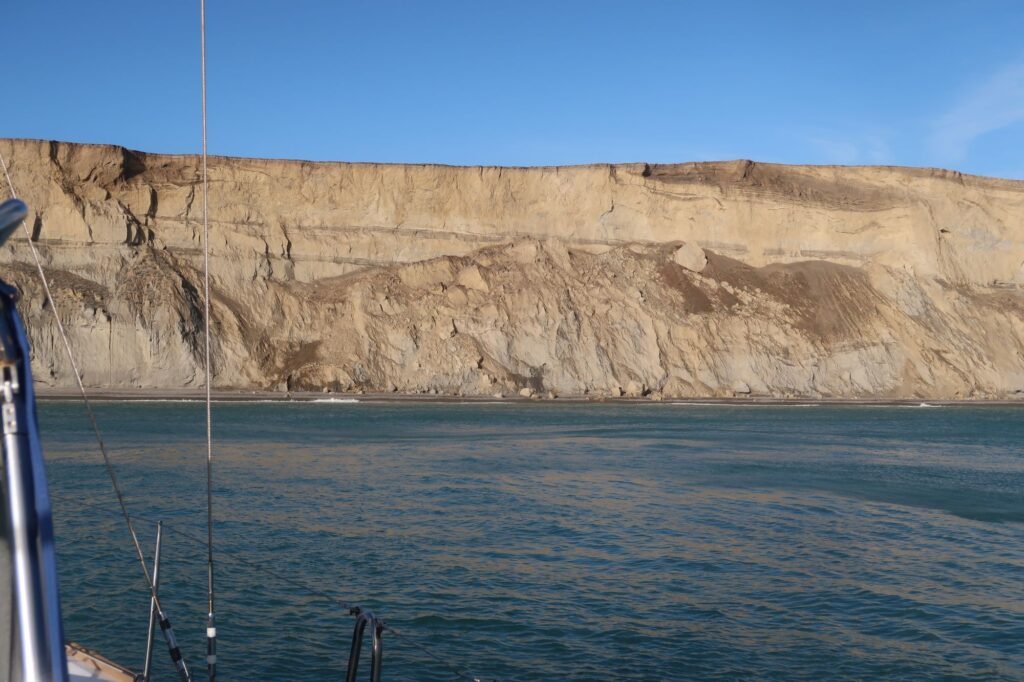
First glimpse of the Portugal shore as the fog is lifting


Lighthouse and cliff caves approaching Lagos


Phywave tied to the P pontoon in Marina de Lagos


Radar screen and AIS targets showing busy shipped lanes I crossed

Horta to Lagos, Portugal – Part 1

I left Horta the morning of September 1 bound for Lagos, Portugal, which would be my first landing in my boat on another continent. I stayed a total of 9 days in Horta, 2 days longer than originally planned. Even with the extra days, and a day trip on the ferry to nearby Pico island, I still felt like I’d hardly gotten to know the place. Horta is such an iconic stop for sailors I felt sentimental about leaving.

The first three days in Horta were largely occupied with having a new generator transfer switch installed, along with a stainless steel spigot for watermaker sample water fabricated and installed.

I also had to deal with a problem with the battens in the mainsail. Inexplicably, the battens would work their way aft out of the batten pockets, sometimes several inches. If I noticed soon enough I could push them back in, not so easy at sea, but in two cases they worked their way out of the batten boxes on the luff edge of the sail, beating around there and damaging both the batten and the batten box. I found a sailmaker in Horta who replaced the damaged fiberglass battens but didn’t have the batten boxes. I contacted the original sail manufacturer about the problem – they didn’t know why it was happening but suggested a remedy they use on significant offshore passages. They told me to drill a hole through the batten and the sail and sew the batten in place. After finding some sail thread, that’s what I did. So far on the new passage the problem has not reoccurred.

The first few days moving east through the Azores, between Pico and Sao Jorge islands was into headwinds with motoring and upwind sailing. I saw large groups of dolphins in this channel, some coming just a few feet from the boat.  That evening as the sun was setting off the east tip of Pico Island I saw several whale spouts, the closest perhaps a half mile from the boat. Whale-watching is a popular tourist activity out of Horta and other towns in the Azores.

Motoring into headwinds and contrary current past the north side of San Miguel island, the last Island I would pass in the the Azores, the wind finally turned south in the middle of the night, on to my beam. I got out of bed, set the sails, and shut down the engine.

With San Miguel Island behind me it’s been open ocean sailing, often with wind directly astern requiring me to jibe periodically across the wind to get a reasonable sailing angle. At least it was pushing me east.  I was also hit by much stronger-than-forecast winds that  lasted several hours. When you’re expecting 15 knots and you’re hit with 20-30 knots, it’s a scramble to reduce sail in a rolling boat in the middle of the night. The swells were around 3 meters, spinning out of a large low pressure system to my north. Taking those swells on the beam made for a very rolly time below – always hanging on to something or bracing myself against the roll.

Last evening the winds rotated to the southwest and today have weaken below 20 knots so I have better, less turbulent, sailing with a heading directly toward Lagos after veering north yesterday to set up the sailing angle. I expect, hope, this condition will last last a couple of days.

I expect to arrive in Lagos late Sunday but probably will slow down when I get close so I arrive at the Lagos marina during daylight hours on September 12.

Horta and Faial Island

I arrived in Horta Harbor on the morning of August 23 after a 21 day, 2404 nm passage from Norfolk, VA. The reception dock, which is also where fueling is done, was crowded with boats so I had to drive around in circles for 45 minutes while refueling boats cleared out. Once on the dock clearing in to Portugal went very efficiently with the first stop at the marina office followed by a stop at the immigration office across the hall. After being on a moving, rolling boat for 21 days my first steps off the boat onto solid ground were a little wobbly, like the ground was now moving. It took several hours for this to wear off.

Fortunately I arrived at a time when Horta Marina was not crowded as it can be in May through July. They had a roomy berth for Phywave in the south marina on J dock making it convenient to get to town. At busy times boats often have to anchor in the harbor and take their dinghy every time they want to go into town.

With Phywave secure I started exploring Horta with my first lunch the day I arrived at the famous Cafe Sport which I can see from my boat. Although famous as a hangout for ocean-going sailors it is now mostly a tourist place. It is open all day, every day unlike most restaurants here. I also paid a visit to the hipermercado where I would later buy provisions for my next passage to Lagos, Portugal.

I mentioned before that there had been a wiring mistake on the generator installation. While on passage I had emailed a yacht services company (Mid-Atlantic Yacht Services) in Horta who said they could install the necessary new switch and adjust the wiring. That process started Wednesday and was finished Thursday. I also had them install a small stainless steel spigot over the galley sink for the watermaker sample water output – test the salinity before diverting the water into the main tank. It’s something I should have had installed when the watermaker was installed but having never used a watermaker before I didn’t realize the spigot is a big convenience.

On the passage from Norfolk I also had a issue with the mainsail battens working their way out of their pockets in the sail, and a couple cases, getting damaged. I found a sailmaker in Horta who came out the evening I arrived and replaced the damaged battens. For a more permanent solution to the battens moving the original sailmaker suggested sewing them in place. I hope to get that done today or tomorrow.

With the essential sailing problems for the Horta stop dealt with, I had time to rent a car and explore Faial Island. There is a large caldera in the center of the island that is usually obscured by clouds but I got a few decent photos. At the west end of the island there was a very recent (1958) volcano eruption that resulting in an abandoned lighthouse and new small island being created. Faial island is not very big so it’s easy to drive the perimeter and across the interior in a day, seeing the highlights along the way and a pleasant stop at a village restaurant for lunch.

I originally planned to stay in Horta one week, so leaving tomorrow, August 30. But there won’t be much wind to work with until Thursday, September 1, so I’ve set that as my departure date.

I also completed the traditional ritual of painting the name of my boat and the year of my arrival on the quay in Horta harbor. It’s supposed to be good luck. There are hundreds of these on the quay, sidewalks and walls around the harbor so it was a little difficult to find a spot for Phywave. In many places they have been worn away by weather and footsteps so only bare stone or concrete remains. Compared to the truly artistic efforts of some, Phywave’s is pretty simple but leaves our mark here for as long as weather and time will allow.

Norfolk to Horta, Days 9-14

1300Z, August 17, 2022

The days since my last post have been busy sailing with varying wind directions and speeds requiring frequent adjustments to the sails.  I sometimes would have to start the engine to keep moving when the wind was light or coming a direction that was not useful for sailing along a course reasonably constructive toward reaching my destination. Many times the wind would be just on the cusp of being useful for sailing so running the engine as well (motorsailing) would result in reasonable progress.

For weather forecasting I’m employing the most commonly-used and well-regarded weather and routing models. I download updates twice a day on the low bandwidth Iridium GO satellite link which can take up to an hour depending on how much data I ask for. The most useful part of the downloaded data are colored forecast maps sent as compressed data files (GRIB files) showing forecast wind speeds and directions for several days. I’ve actually been surprised how far off the forecast can sometimes be but I’ve been in a fairly unsettled area of weather so I would expect it to be more difficult to forecast. Fortunately, I haven’t been hit with any storms, just a half dozen or so rain squalls where the wind speed can increase violently and the rain fall intensely but that usually last only 5-10 minutes.

I crossed the halfway point on this passage a few days ago. There is a tradition (or I just made it up) to offer a dram of whiskey to Neptune at the halfway point for continued good fortune on the passage. For such occasions I brought along a bottle of Battle Point Whiskey from Bainbridge Organic Distillery, made just a few miles from my house on Bainbridge Island. For those who have tried it, it’s one of the smoothest whiskeys you’ll ever taste.

As of this morning I am now less than 600 nm from Horta, counting down the miles. The forecasts say I’ll be crossing a high pressure dead zone with no usable wind for 36 hours starting tonight. More motoring. I’ll see if that forecast pans out. I’m currently projecting my arrival in Horta on August 22-23, depending on how much dead zone I have to deal with.

Norfolk to Horta, Days 4-8

1800Z August 10, 2022

The last four days have largely been a hunt for following wind and the Gulf Stream current which meanders its way across the North Atlantic like a river. There are some charts showing its location but it’s hard to keep its direction lined up with a sailing route and the restrictions wind direction present. During some of the first 4 days I got impressive speed gains from the current but then lost it, found it again for awhile, but permanently lost it again west of 60W longitude.

The wind has generally been at my stern which can make good sailing but tricky since it can throw the boom from one side of the boat to the other, sometimes with violent speed, as the variable wind shifts direction only 5 or 10 degrees. Fortunately, I equipped Phywave with a boom brake that let’s me lock down its position regardless of the wind direction. Generally, it’s better to sail just off the wind on a “broad reach” where the angle of the wind to the stern is about 30-40 degrees. Sailboats are usually at their fastest on a broad reach but it may mean you’re not sailing in the direction of the ideal route to your destination. That’s been my situation.

I’ll arrive at the halfway point on this Norfolk-Horta passage sometime tomorrow, an important milestone, but from there the sailing will get more difficult and much slower as a high pressure system (essentially dead air with no wind in the center) builds in across my route. I’m now pivoting to the north to try to ride westerly winds on the north side of that high if it develops as forecast. It will take days to find out if this was a good decision, so unlike flying where I know within hours, sometimes minutes, whether I made a good or bad decision about the weather.

Otherwise, things are OK on board, getting to know the boat better and how it likes to sail, and monitoring consumptions on fuel, water and power. Today I’m trying to find out if I can count on the solar panels and wind generator to fully recharge the batteries after their overnight power drain. I run the navigation electronics, autopilot and refrigerator full time whick takes 12-13 amps depending on how hard the autopilot has to work. The solar panels in direct sun produce 10 times the power of the wind generator, sometimes over 20 amps. If solar panels can fully recharge the batteries it means I won’t have to run the engine at all to charge batteries, saving fuel. It’s starting to cloud over, though, so I don’t think I’ll make it today. If my generator was wired as I wanted it would charging the batteries too. I’ve got a contractor lined up in Horta to get that situation corrected.

Norfolk to Horta, Days 1 – 4

1800Z, August 6.

With the boat finally finished and positioned in Norfolk I was ready  to start my passage to Horta.  There was no tropical storm activity and none expected in the next 5 days so I decided to make a run for it. On the morning of Aug 2 at 1200Z I set sail for Horta in the Azores. I expect the passage will take 18-20 days.

I’ve already dealt with rain squalls in the middle of the night, rushing to get sails down with my headlamp on.  Worse were patches of no wind where motoring was the only way to make progress – I hate to run the engine, noisy and hot. Once I had intercepted the Gulf Stream current late the second day things improved. With good wind on a beam reach in the GS current I was getting 9-10 kts SOG (speed over ground), the best way to measure actual progress.

I’ve seen dolphins playing around the boat 3 out of 4 mornings, and a small fish of some sort jumped into the cockpit, threw him back. Only 1 bird spotted.

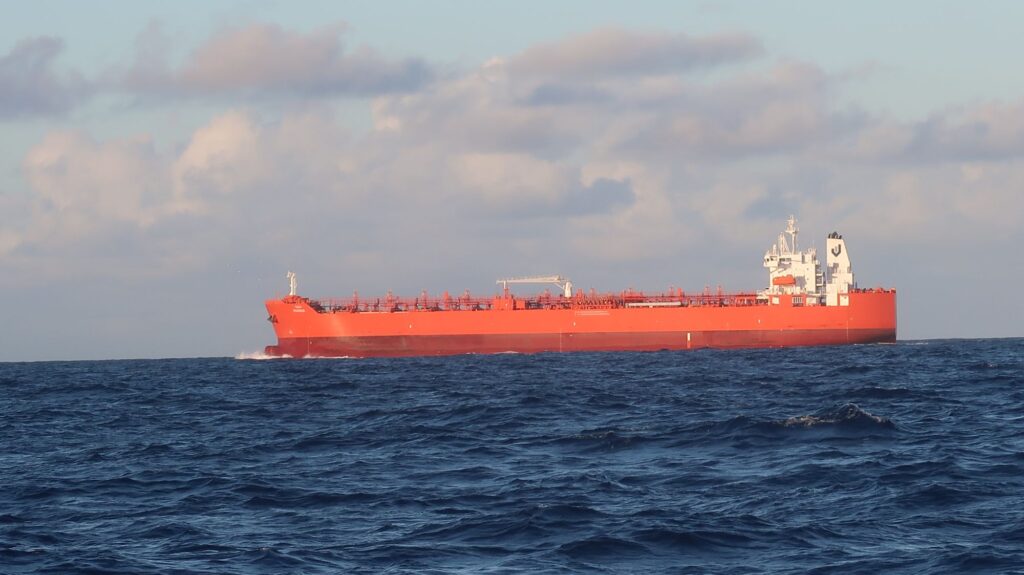
Last night a tanker came within a mile of me. Not a real hazard since I was tracking him on radar the entire time. Just rare for ships to pass so closely in the middle of the ocean.

Things are running smoothly on board, a few issues with the new genset wiring. It only feeds power to the 120 volt outlets, not the battery charger where I most need it. They acknowledged the mistake but nothing they can do about it with me at sea. Correcting it will be on the project list when I get to Horta. In the meantime the solar panels and a few hours of engine time keep the batteries charged.

I’ve connected with a couple of cruiser nets on the SSB shortwave radio, checking in with my position report and to chat a bit. Small events to break up the day.

As I write this I’m becalmed again running the engine to get to 40N and find some wind. At 1200Z today, 4 days total, I’ve put almost 600 nm under the keel so on average I’m doing ok.

The link to my Predictwind tracking map

is: https://forecast.predictwind.com/tracking/display/SV_PHYWAVE/

Rock Hall to Norfolk

The genset installation was finished on July 28.  The next day we primed it, fired it up, and ran it for 3 hours to break it in. It worked fine so with that done Phywave is finally 100% ready to go.

I left Rock Hall on July 30 for an anchorage in the Solomon Island area but soon discovered a problem – the autopilot wasn’t working – essential when sailing solo. I hand-steered to my anchorage (Mill Creek) where I investigated the problem thinking it might be serious. The next morning I discovered a small linkage rod between the rudder and the rudder position sensor had been disconnected during the genset installation and not reconnected. Putting it back in place fixed the problem, an easy fix once I found it.

That day I moved further south, motoring all the way bashing into 18 knot headwinds right on the nose and 3-4 foot seas. I anchored in a place called Little Bay, short of my destination at Deltaville.

On August 1 I moved south again to Cobbs Marina on Little Creek in Norfolk. It turned out to be a great stop for final diesel refueling – very easy access to the fuel dock. Since it was near closing time and I was leaving first thing in the morning they let me stay tied to the fuel dock overnight. A horrendous squall blew through that evening so glad Phywave was tied up.

Ready for departure to Horta, Azores.